Tree Branch Disposal in Honolulu, HI
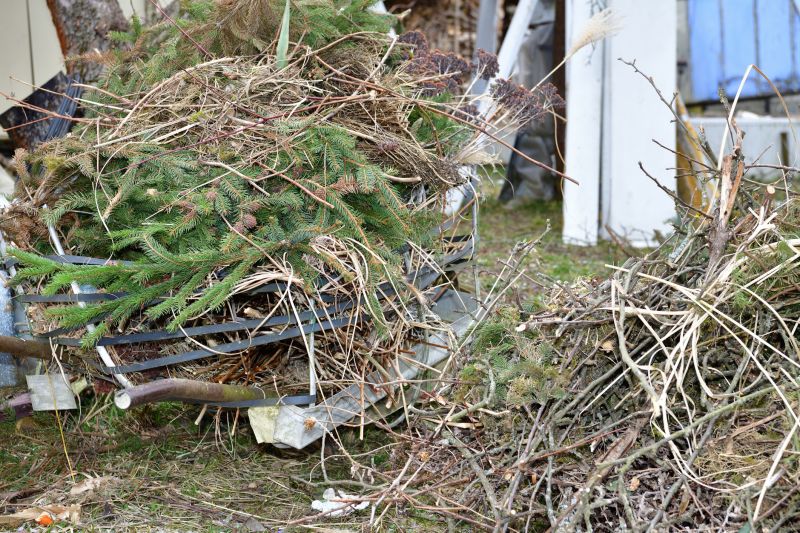
Tree branch disposal services involve the removal and proper disposal of fallen, broken, or trimmed branches from residential properties. This service typically covers projects such as storm cleanup, pruning debris, tree maintenance, or clearing overgrown areas. Homeowners often seek this service to maintain a tidy yard, prevent obstructions, or reduce hazards caused by loose or damaged branches. Before requesting branch disposal, property owners should consider the volume and size of branches needing removal, as well as any access restrictions on the property that might affect the disposal process.
It is important for property owners to understand what types of branches can be accepted, including whether larger or thicker limbs are manageable, and if additional services like hauling or chipping are included. Clarifying the scope of work, such as whether cleanup and debris removal are part of the service, helps ensure expectations are aligned. Knowing if any permits or specific disposal methods are required can also be helpful when planning for branch removal projects.
Many property owners in Honolulu, HI look into Tree Branch Disposal for repairs, replacements, upgrades, and appearance-related improvements.
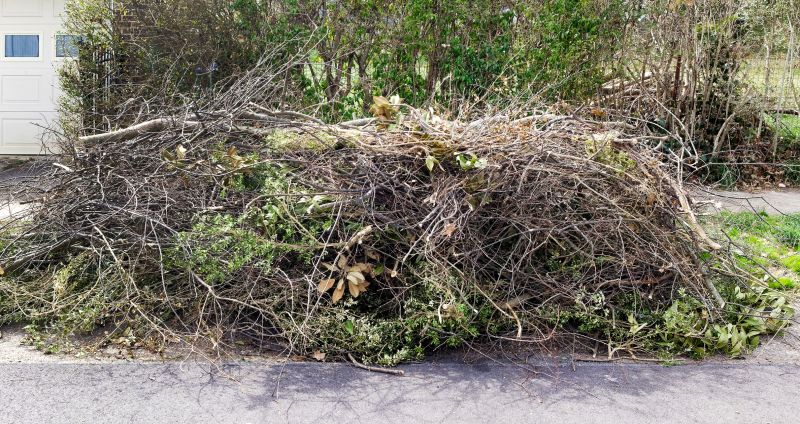
Tree Branch Removal
Removing broken or overgrown branches to maintain tree health and safety.
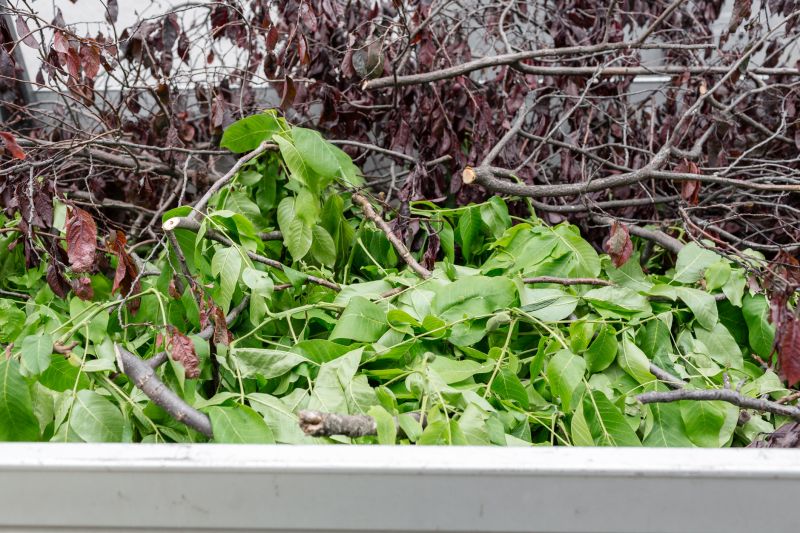
Storm Cleanup
Clearing fallen branches after storms to prevent property damage and hazards.
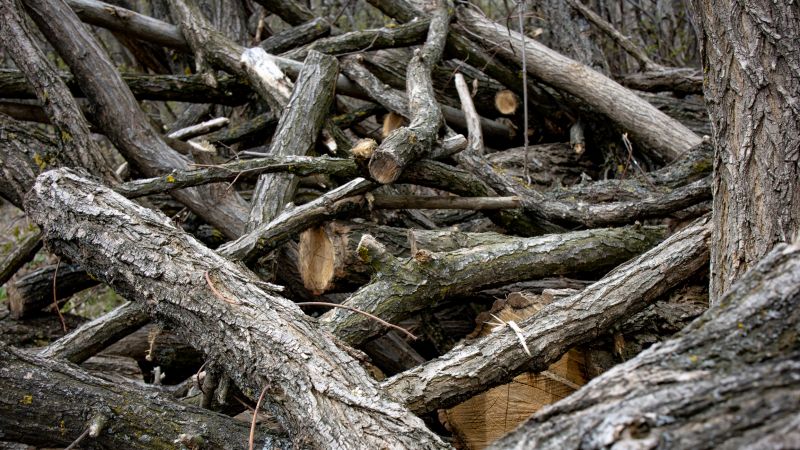
Yard Maintenance
Disposing of trimmed branches to keep outdoor spaces tidy and accessible.
Tree Branch Disposal in Honolulu, HI
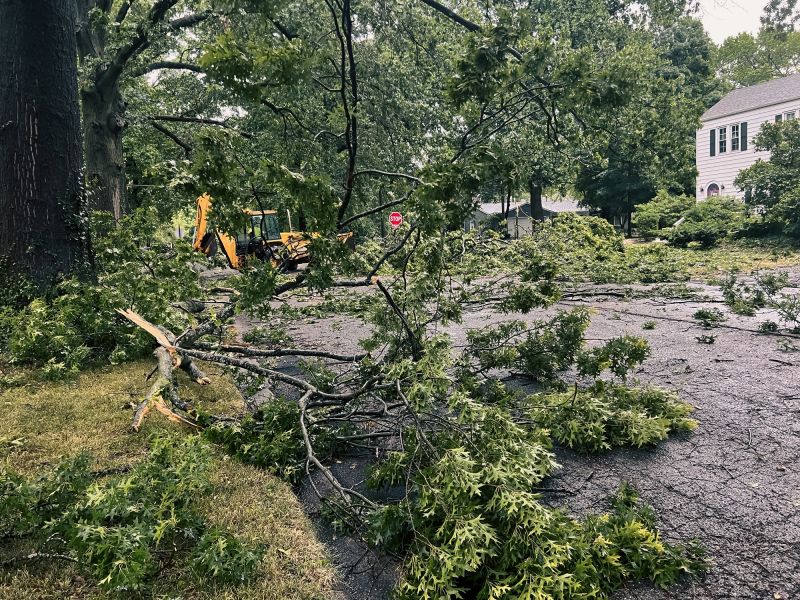
Tree branch disposal services involve the removal and proper disposal of fallen, broken, or trimmed branches from residential properties. This service typically covers projects such as storm cleanup, pruning debris, tree maintenance, or clearing overgrown areas. Homeowners often seek this service to maintain a tidy yard, prevent obstructions, or reduce hazards caused by loose or damaged branches. Before requesting branch disposal, property owners should consider the volume and size of branches needing removal, as well as any access restrictions on the property that might affect the disposal process.
It is important for property owners to understand what types of branches can be accepted, including whether larger or thicker limbs are manageable, and if additional services like hauling or chipping are included. Clarifying the scope of work, such as whether cleanup and debris removal are part of the service, helps ensure expectations are aligned. Knowing if any permits or specific disposal methods are required can also be helpful when planning for branch removal projects.
Many property owners in Honolulu, HI look into Tree Branch Disposal for repairs, replacements, upgrades, and appearance-related improvements.
Common Tree Branch Disposal Jobs
Tree branch disposal - removing fallen or cut branches from residential properties.
Yard cleanup - clearing loose branches to maintain a tidy landscape.
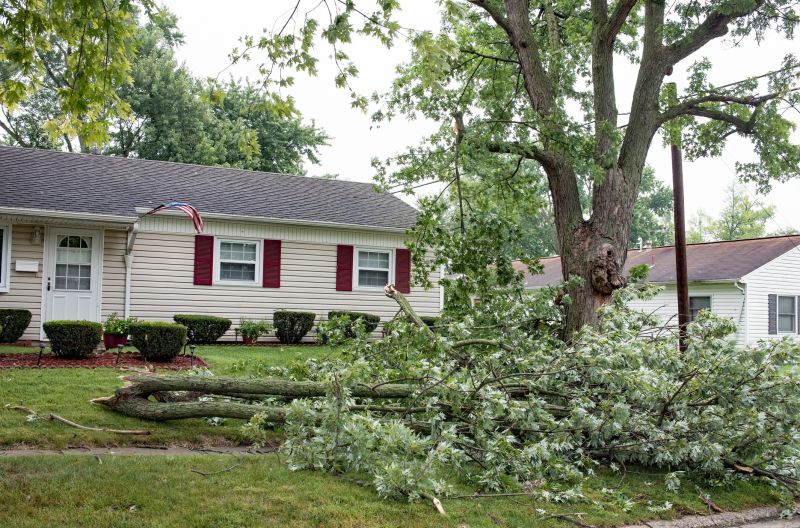
Storm debris removal - clearing branches damaged or brought down by severe weather.
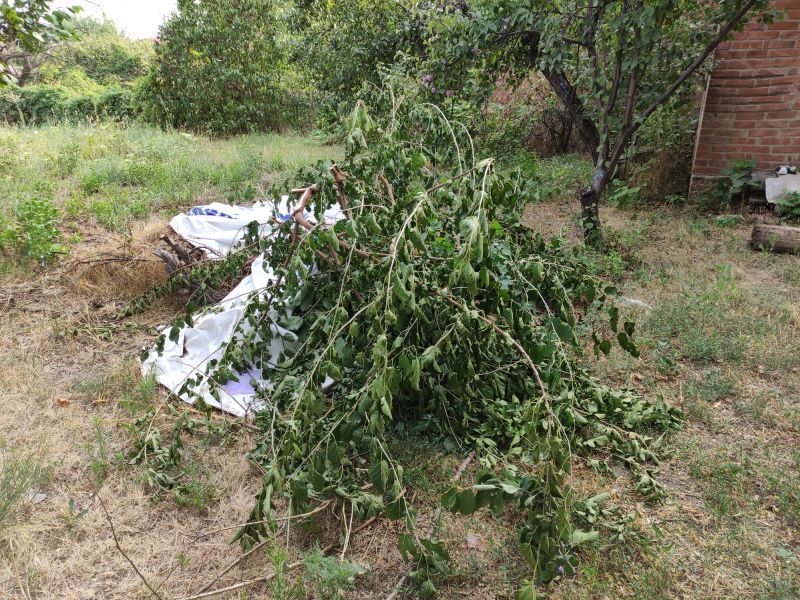
Pruning debris removal - disposing of branches trimmed during tree maintenance.
Property clearing - removing branches to improve safety and access around the home.
Chipping and hauling - processing branches into mulch or transporting them for disposal.
Tree Branch Disposal Questions
What types of tree branches are accepted for disposal? Most common tree branches, including those from pruning and storm cleanup, can be disposed of through this service.
Is there a limit to the size of branches that can be removed? Larger branches may require special handling, but general size limits are accommodated by the service.
Can branches be disposed of on the same day as removal? Disposal services are scheduled based on availability and project needs, not immediate same-day requests.
What should property owners do before tree branch disposal? Clear the area around the branches and ensure they are accessible for removal and transport.
Request Tree Branch Disposal in Honolulu, HI
Use the quote form on this page to share the basics of your project and request more information for the type of work you need.